Is the 6L80 a good transmission?
In stock form the 6L80 / 6L80E is a solid 6-speed for trucks and SUVs, but it is heat-sensitive under towing, big tires, heavy vehicles, or aggressive tuning. Most "bad 6L80" stories are really converter slip plus heat that leads to clutch damage over time. A correct converter strategy plus proper cooling addresses that directly.
Is the 6L80 the same as the 6L80E?
Yes. In everyday GM truck and SUV searches, 6L80 and 6L80E usually refer to the same 6-speed automatic transmission with RPO code MYC. Many customers search both names, so the safest way to order is to verify the RPO label, model year, engine, and 2WD or 4WD configuration before choosing a build.
What vehicles use the 6L80 / 6L80E transmission?
The 6L80 (RPO MYC) is commonly found in Chevy Silverado 1500, GMC Sierra 1500, Tahoe, Yukon, Suburban, Escalade, and a number of other GM applications across model years roughly 2007 through 2021 depending on engine and trim. Always verify by RPO label before ordering because some 1500 configurations also used 8L90 or 10L80.
Is a torque converter included with these 6L80 / 6L80E builds?
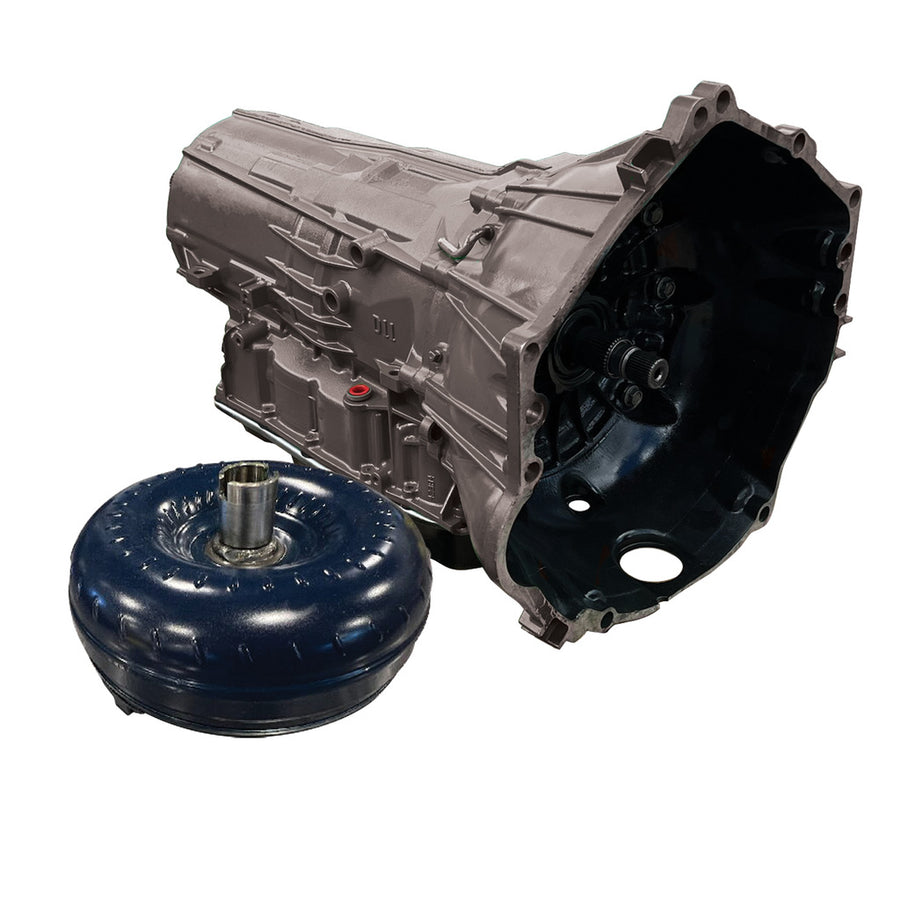
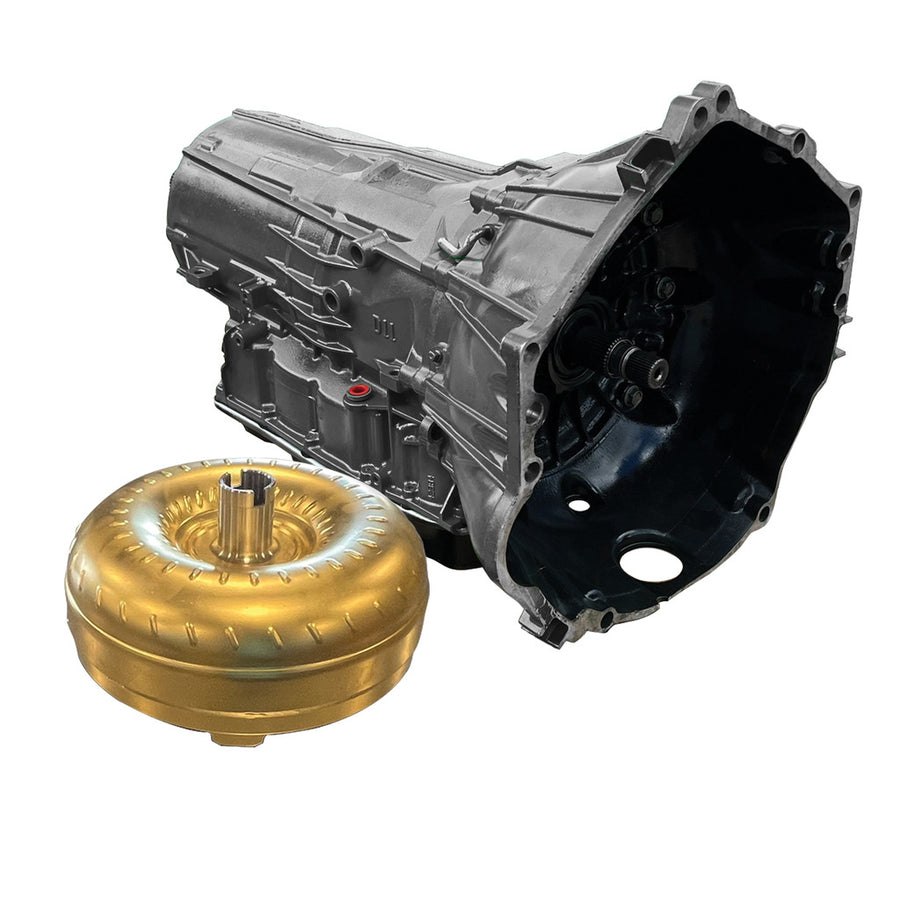
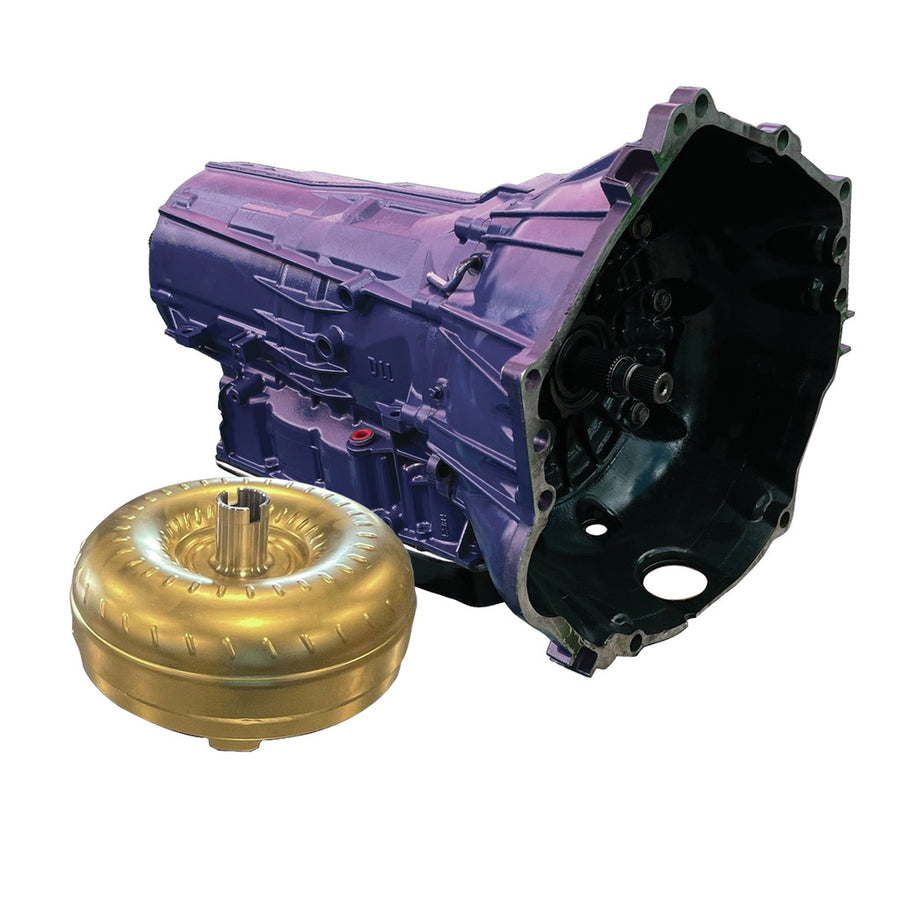
Yes. Each complete build on this page includes a matched lockup converter. SportMonster and TrackMonster step up to HD billet and multi-disc converter strategies. Converter quality directly affects heat, lockup control, and long term durability.
What fluid does a 6L80 / 6L80E use?
Use DEXRON-VI. It is the correct fluid choice for shift quality, clutch apply behavior, and durability. Capacity varies with pan and converter, so verify fluid level warm using the correct procedure for your vehicle.
Do I need programming after a 6L80 / 6L80E install?
Yes. A full reprogramming appropriate to your year and build is required after install. Then run an adaptive learn drive cycle with light throttle upshifts and gentle coastdowns so the TCM seats correct shift adapts. Skipping this step is one of the fastest ways to ruin a fresh transmission.
What are the most common 6L80 / 6L80E failures?
The most common failures include TCC slip and PWM lockup burn through, 3-5-R and 4-5-6 clutch wear, pump and pressure regulator wear, piston wear under high torque, and cooler contamination after a previous failure. Those are exactly the issues a better matched build and proper install process are meant to address.
What is the difference between a rebuilt 6L80 and an upgraded build?
A basic rebuilt transmission is often focused on getting the unit working again. An upgraded build is selected around actual vehicle use and may add better converter strategy, stronger pressure control, increased clutch capacity, or stronger hard parts depending on the level chosen.
How do I know if I have a 6L80 or a 6L90?
Check the RPO label on the vehicle. MYC = 6L80, MYD = 6L90. They look similar from the outside but have different internal capacity and hard part dimensions. They are different transmissions and should not be ordered based on guesswork.
2WD vs 4WD on a 6L80 / 6L80E, what is different?
The 2WD vs 4WD difference is in the output and tailhousing configuration that mates to the transfer case. Internals are similar but fitment must match the truck. SportMonster and TrackMonster offer both 2WD and 4WD options.
I am looking for a 6L80 / 6L80E rebuild kit with torque converter, what should I actually buy?
Most rebuild kits are seals and frictions only. The converter is often sold separately, and that is where many failures start. If you are doing a DIY rebuild, plan for a quality converter plus any hard parts your unit needs. If you want a turnkey fix, our packages already include a matched lockup converter built for the tier.
Should I choose RoadReady, StreetMonster, SportMonster, or TrackMonster?
Daily stock power: RoadReady. Mild bolt-ons or light towing: StreetMonster. Built street, heavier vehicles, real towing, or sticky tires: SportMonster. Competition or 1000 HP class builds: TrackMonster.