
Chevy 5.3L LS Engine: Years, Problems, Reliability & Best Builds [2026]
Every Generation Decoded • Common Failures • Transmission Pairings • What to Buy in 2026 — Written by Monster Transmission's Engine Build Team
Quick Answer — Is the 5.3L LS Reliable?
Yes — the Chevy 5.3L LS is one of the most reliable V8s ever built. Gen 3 LM7 and L33 engines routinely run 250,000–350,000 miles with basic maintenance. Reliability drops on Gen 4 and Gen 5 engines (LC9, LMG, L83) due to AFM lifter failures and oil consumption, both of which are fixable during a quality rebuild.
The Chevy 5.3L LS engine (and later EcoTec3 5.3L) is one of the most successful V8 powerplants ever produced. From 1999 through today, GM has installed the 5.3L in millions of Silverados, Sierras, Tahoes, Yukons, Suburbans, vans, and performance swaps. Known for reliability, easy power, and huge aftermarket support, the 5.3L is the favorite for daily drivers, tow rigs, off-road trucks, and LS swap projects.
Quick Links: Monster 5.3L Engines • 4L60E Transmissions • 6L80E Transmissions • Torque Converters
How We Know
Monster Transmission has been building, remanufacturing, and pairing GM powertrains since 2001. Our shop in Odessa, FL, has built and shipped tens of thousands of LS-platform engines and matched transmissions across all three generations of the 5.3L. We see the failure patterns first-hand — every week — and engineer our reman builds to specifically correct the OEM weak points listed below.
As featured on: Engine Masters • Roadkill Garage • Truck Tech • Two Guys Garage
Every Chevy 5.3L LS Engine at a Glance
Here's the entire 5.3L family on one page — every variant from 1999 to today, with horsepower, block material, AFM/DFM status, and reliability rating from Monster's build floor.
| Engine | Years | Gen | Block | HP | AFM/DFM | Reliability |
|---|---|---|---|---|---|---|
| LM7 | 1999–2007 | Gen 3 | Iron | 270–295 | No | Excellent |
| L59 | 2002–2007 | Gen 3 | Iron | 285–295 | No | Excellent |
| L33 (HO) | 2005–2007 | Gen 3 | Aluminum | 310 | No | Excellent |
| LY5 | 2007–2014 | Gen 4 | Iron | 315 | Yes | Good* |
| LMG | 2007–2014 | Gen 4 | Iron | 315 | Yes | Good* |
| LC9 | 2007–2014 | Gen 4 | Aluminum | 320 | Yes | Fair* |
| L83 | 2014–2019 | Gen 5 | Aluminum | 355 | Yes (AFM) | Fair* |
| L84 | 2019–Present | Gen 5 | Aluminum | 355 | Yes (DFM) | Good* |
* AFM/DFM-equipped engines see significantly higher reliability when AFM is deleted during rebuild — a standard option on Monster 5.3L reman builds.

What Are All the Chevy 5.3L LS Engine Variants?
🔧 Gen 3 (1999–2007) — The Originals
These are the classic iron-block LS engines customers love for durability and swap potential. No AFM, no DFM, no direct injection — just a simple, bulletproof V8 platform with massive aftermarket support.
| Engine | Years | Notes |
|---|---|---|
| LM7 | 1999–2007 | Most common 5.3L. Iron block, cathedral ports. 270–295 HP. |
| L59 | 2002–2007 | Flex-fuel version of LM7. |
| L33 (High Output) | 2005–2007 | Aluminum block, 310 HP — excellent swap engine. |
🔧 Gen 4 (2007–2014) — VVT & AFM Era
Gen 4 engines added Active Fuel Management (AFM) and Variable Valve Timing (VVT). Reliability is still solid if AFM is deleted; the original AFM hardware is the single biggest failure point on these engines.
| Engine | Years | Notes |
|---|---|---|
| LY5 | 2007–2014 | Iron block, no AFM in early production. Very reliable. |
| LMG | 2007–2014 | Iron block + AFM. Popular truck engine. |
| LC9 | 2007–2014 | Aluminum block + AFM. Common failure engine. |
🔧 Gen 5 EcoTec3 (2014–Present)
Direct injection, complex PCV systems, improved torque, and modern emissions make these the most advanced 5.3Ls ever — but also the most failure-prone when AFM/DFM hardware wears out.
| Engine | Years | Notes |
|---|---|---|
| L83 | 2014–2019 | Direct injection. AFM. Paired with 6L80/6L90. |
| L84 | 2019–Present | DFM (Dynamic Fuel Management) & 10-speed 10L80. |
What Are the Most Common 5.3L LS Problems?
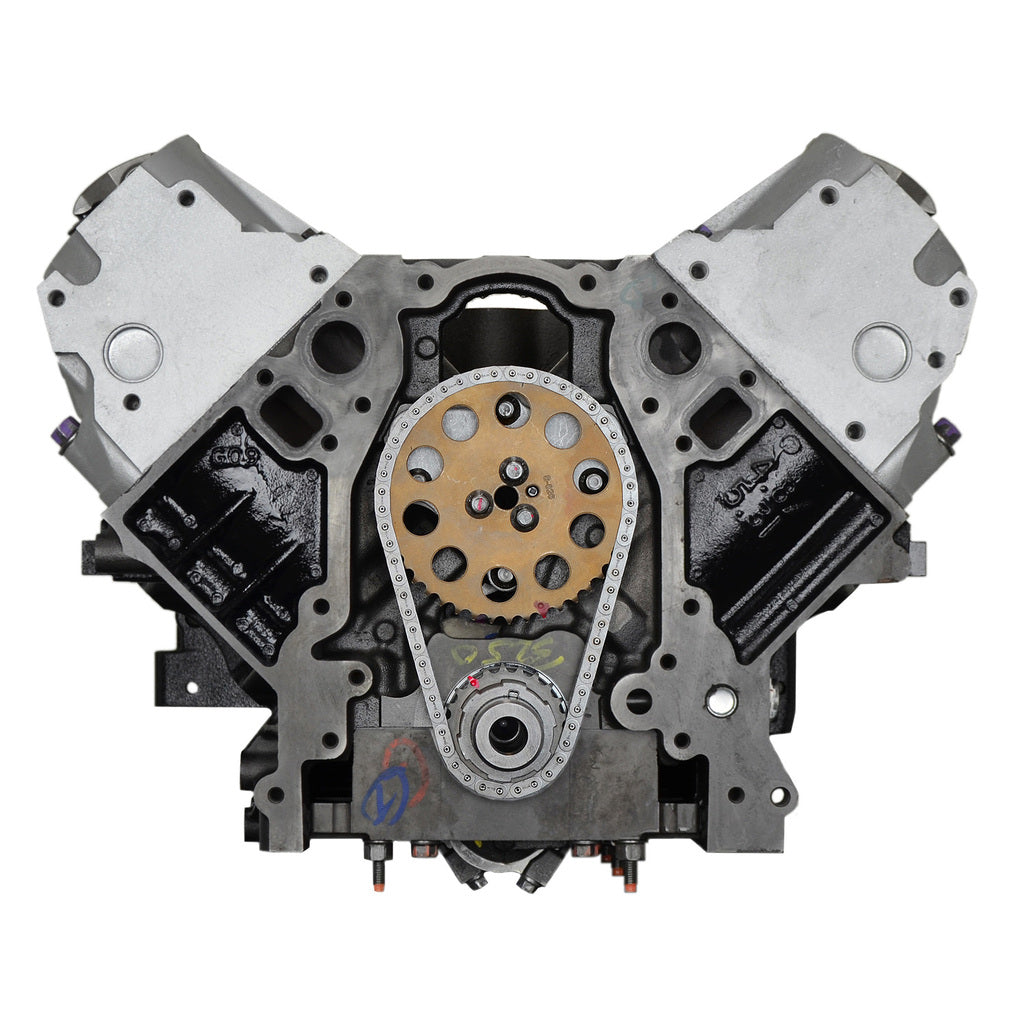
❌ 1. AFM Lifters Failing (Gen 4 & Gen 5)
The #1 reason customers come to Monster for a reman 5.3L. Symptoms include:
- Lifter collapse
- Misfires (typically Cyl 1, 4, 6, 7)
- Cam lobe wear from collapsed lifters
- P0300 series misfire codes
Monster Fix: Most of our customers delete AFM during rebuilds and tunes, then run a performance lifter and trunnion kit. This single change adds 100,000+ miles of reliability.
❌ 2. Oil Consumption (LC9, LMG, L83)
- Piston ring design flaws
- PCV baffle clogging
- AFM pulling excess oil into the combustion chamber
Monster Fix: Updated rings, PCV correction, modern baffle design, and AFM delete when requested.
❌ 3. Lifter Tick / Sticking Lifters
Happens across all generations, especially high-mileage trucks. Often the early warning before full AFM failure.
❌ 4. Timing Chain Slack (Gen 4 & Gen 5)
VVT-equipped 5.3Ls are prone to timing chain stretch — a $1,500+ repair if caught early, a full rebuild if ignored.
❌ 5. Fuel System Issues (Direct Injection Engines)
- HPFP (high-pressure fuel pump) failure
- Injector coking from carbon buildup on the back of intake valves
❌ 6. Cracked Exhaust Manifold Bolts
Extremely common on Silverados, Sierras, Tahoes, and Suburbans. Not engine failure, but it'll drive you crazy. Easy fix during a reman install.
What Transmission Pairs With a 5.3L LS?
Every generation of the 5.3L has a specific transmission family it was paired with from the factory. If you're rebuilding, swapping, or upgrading, you need a matched transmission to avoid drivability issues, fuel-economy loss, and premature converter failure.
1999–2006 (Gen 3)
2007–2014 (Gen 4)
2014–Present (Gen 5)
Pro Tip: If the engine is failing, the converter probably has metal in it. We never sell a reman 5.3L without recommending a matched torque converter — see our complete torque converter guide for why this matters.
Why Are Monster-Built 5.3L Engines Different?
Our 5.3L LS engines are built with the same philosophy as our transmissions: fix the known weak points instead of repeating OEM flaws. Here's what every Monster 5.3L includes.
Standard Monster Upgrades
- Revised piston ring design (fixes oil consumption)
- Correct PCV baffling improvements
- Premium lifters (AFM-safe or full AFM-delete options)
- Camshaft options for towing or street performance
- Updated seals, bearings, and gaskets
- Balanced rotating assembly
- Enhanced oiling pathways
- 12-month parts and labor warranty
Browse engines: Monster Chevy 5.3L Engines
Which 5.3L LS Engine Is Best?
The "best" 5.3L depends on what you're doing with it.
- Best for swaps: L33 HO or LM7 — no AFM, simple wiring, massive aftermarket
- Best for towing reliability: LY5 (no AFM) or LMG with AFM delete
- Best modern option: L84 (DFM, 10-speed 10L80)
- Best budget engine: Any reman LM7 — proven, affordable, and easy to find
- Best for performance builds: L33 HO with cam swap and matched converter
Ready for a Built 5.3L?
Tell us your year, application, and how you use the truck — we'll spec the right reman engine and matched transmission.
Shop 5.3L Engines Call 800-708-00875.3L LS Engine FAQ
Is the Chevy 5.3L LS reliable?
Yes — the Chevy 5.3L LS is one of the most reliable V8s ever built. Gen 3 engines (LM7, L59, L33) routinely run 250,000–350,000 miles with basic maintenance. Reliability drops on Gen 4 and Gen 5 engines because of AFM/DFM hardware, but both issues are correctable during a quality rebuild.
How long does a 5.3L LS engine last?
A well-maintained 5.3L LS commonly runs 250,000 to 350,000 miles. Gen 3 engines without AFM are the longest-lived. Gen 4 and Gen 5 engines with AFM enabled often see lifter failures between 100,000 and 180,000 miles unless AFM is deleted.
What's the best year for a 5.3L LS engine?
For reliability and swap potential, the 1999–2007 LM7 and the 2005–2007 L33 (310 HP, aluminum block) are the best 5.3L variants. They have no AFM, no DFM, and a massive aftermarket. For modern trucks, the L84 with the 10L80 is the best current option.
Which 5.3L engines have AFM?
Active Fuel Management (AFM) was introduced on Gen 4 5.3L engines starting in 2007 — including LMG, LC9, LH6, LH8, and LH9. The Gen 5 L83 (2014–2019) also has AFM. The L84 (2019+) replaced AFM with DFM. Gen 3 engines have no AFM.
Should I delete AFM on my 5.3L?
For longevity, yes. AFM is the #1 failure point on Gen 4 and Gen 5 5.3L engines, causing collapsed lifters, cam wear, and excess oil consumption. AFM delete kits and tunes restore long-term reliability and are a standard option on Monster's reman 5.3L engines.
Is the 5.3 a Vortec or an LS engine?
Both. The 5.3L is part of GM's LS family architecturally, but GM marketed truck and SUV versions under the Vortec name. So a 5.3 Vortec and a 5.3 LS are mechanically the same engine family — just different branding for car versus truck applications.
How much horsepower does a 5.3L LS make?
Stock 5.3L LS engines produce between 270 and 355 horsepower depending on the variant. The LM7 makes 270–295 HP, the L33 produces 310 HP, the L83 makes 355 HP, and the L84 also makes 355 HP. Easy bolt-ons and a tune commonly add 30–50 HP.
What transmission goes with a 5.3L LS?
Gen 3 (1999–2006) 5.3Ls pair with the 4L60E or 4L65E. Gen 4 (2007–2013) 5.3Ls came with the 4L65E, 4L70E, or 6L80E. Gen 5 (2014+) 5.3Ls run the 6L80E, 6L90E, or 10L80 (2019+). Monster builds matched units in every family.
Can I swap a 5.3L LS into an older car or truck?
Yes — the 5.3L LS is the most common LS swap engine in existence. The Gen 3 LM7 and L33 are the easiest because they have no AFM, simple wiring, and broad aftermarket support. Wiring harness, ECU, and intake selection vary by generation.
What is the strongest stock 5.3L engine?
The 2005–2007 L33 High Output is the strongest factory 5.3L, producing 310 HP from an aluminum block with revised internals. It's the most sought-after 5.3L for performance swaps.
Related Monster Guides
- What Is a Torque Converter? Complete 2026 Guide — Why a matched converter is critical for any reman 5.3L install.
- 6L80E Transmission Family — The most common partner for a Gen 4 or Gen 5 5.3L.
- 4L60E Transmission Family — The classic Gen 3 5.3L pairing.
- Chevy 6L80E Torque Converters — Stock through 3,200+ RPM stall options.
- All Monster Transmissions